

Heated Seat Cushions: Choosing, Using and Caring for One Safely
A cold car seat is more than an annoyance. Stiff upholstery draws heat from your body the moment you sit down, and the first ten minutes of a winter commute can leave your back and legs tense.
1. Why a Heated Cushion Is More Than a Luxury
Many drivers assume heated seating is a comfort extra. In cold weather it also affects how you drive.
Warmth applied directly where you sit is efficient. A cabin heater has to warm the whole interior, which takes time. A cushion warms the one surface that touches you, so comfort arrives sooner. If your car lacks built-in seat heaters, electric heated seat cushions are the most direct way to get that benefit.
2. How Heated Seat Cushions Actually Work
Most heated cushions contain thin, flexible heating elements, usually carbon fiber or resistance wire, sewn between layers of fabric and padding.
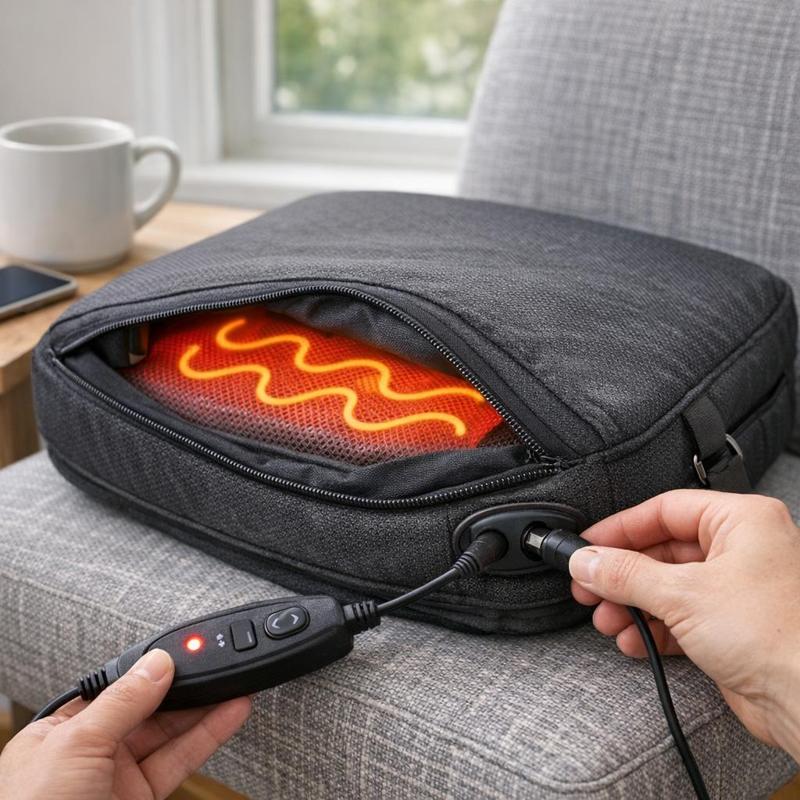
The cushion draws power from your vehicle, typically through a 12V socket, and a controller regulates temperature. Better designs use a thermostat or temperature sensor so the cushion does not keep climbing in heat.
3. Matching the Cushion to Your Seat and Car
Fit is the first thing to check. A cushion that slides around forces you to keep repositioning it, and a loose cushion can also change your seating posture.
Consider these points before choosing:
- Seat shape: Bucket seats with strong bolsters need a cushion that is not too wide, or it will bunch at the edges.
- Thickness: A thick cushion raises your seating height. Check that you still have comfortable headroom and clear sight of the road.
- Coverage: Some cushions heat only the base, others cover the back too. Back coverage is worth having if cold shoulders and spine are your main complaint.
- Material: Soft, breathable fabric feels better against clothing and handles repeated sitting.
If you want warmth plus pressure relief on long drives, remember that heat and support solve different problems. Our comparison of seat cushions and lumbar support explains how to decide what your body needs, and a thicker ergonomic seat cushion may suit you better in milder months.
4. Power, Controls and Safety Features to Check
Safety deserves more attention than any other factor. A heating product sits under you for an hour or more, so protective features are not optional.
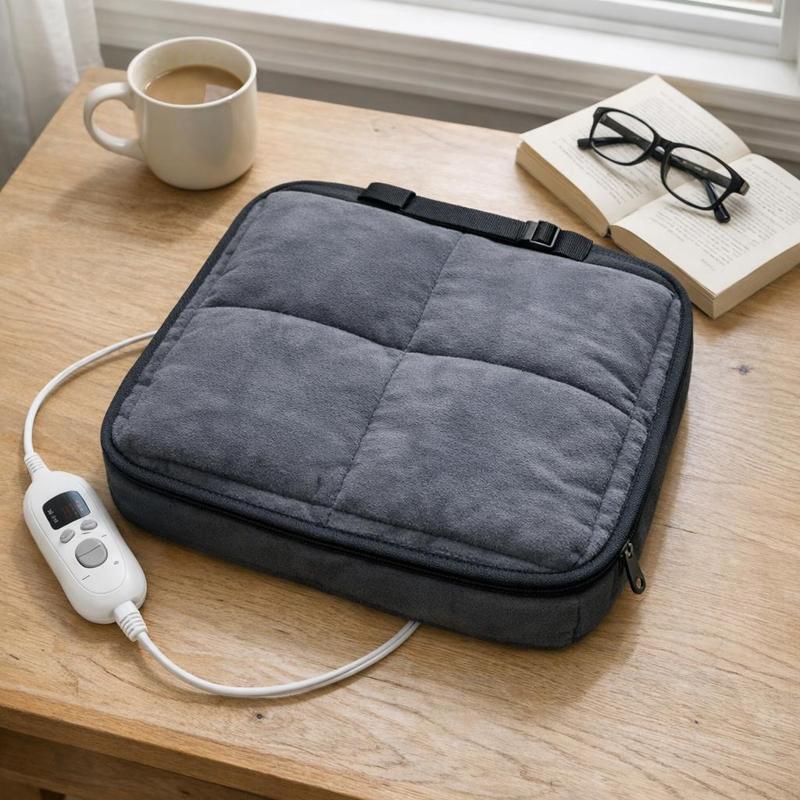
Look for the following:
- Automatic temperature control or overheat protection so the surface cannot exceed a safe level.
- Auto shut-off that turns the cushion off after a set time, which guards against leaving it running.
- Clear heat settings with a visible indicator, so you always know whether it is on.
- A fused plug and well-insulated cable that suits your vehicle's socket.
- Clear manufacturer instructions and product certifications appropriate to your region.
Also think about cable routing. The cord should not cross pedals, the gear shifter or the seat rail where it can be pinched. Plan the path before you drive, not after.
5. Using the Cushion Correctly Day to Day
Good habits protect both you and the product. Start with a few simple routines.
First, place the cushion flat and square, then fasten the straps so it cannot shift. Check that the wire sits clear of seat adjusters.
Third, unplug the cushion when you leave the vehicle. Some sockets stay powered after the engine is off, and a cushion left connected can drain the battery or run unattended.
Wear moderate clothing too. Very thick layers can insulate you from the heat and make the cushion work harder without helping you feel warmer.
6. Cleaning and Storing Without Damaging the Heating Elements
Heated cushions need gentler care than ordinary fabric. Never soak the cushion or put it in a washing machine unless the manufacturer explicitly allows it, because moisture and bending can damage the internal wiring.
A safe routine looks like this:
- Unplug the cushion and let it cool completely.
- Remove dust and crumbs with a soft brush or low-suction vacuum.
- Wipe stains with a lightly damp cloth and mild soap, using as little water as possible.
- Let it air dry fully, away from direct heat sources, before reconnecting.
- Check the cable and plug for fraying, discoloration or loose connections.
For spill-prone seats, think about the surface beneath the cushion as well. A protective layer such as waterproof seat covers keeps moisture from reaching the upholstery under it.
When winter ends, store the cushion flat or loosely rolled, never tightly folded. Sharp creases can strain the heating elements over time.
7. Common Problems and How to Fix Them
Most issues have simple causes. If the cushion does not warm up, check the plug first. Make sure it is fully seated and that your vehicle's socket has power with the ignition on.
If heat feels uneven, the cushion may be folded or bunched, or you may be sitting in a position that compresses part of it. Smooth it out and retighten the straps. If heating is weak, a low setting or heavy clothing may be the reason.
If the cushion switches off by itself, that is often the safety shut-off doing its job, so restart it normally.
8. Building a Comfortable Cold-Weather Seat Setup
A heated cushion works best as one part of a seat that suits cold mornings. Warmth eases muscles, but posture still matters, especially on long drives. Pairing heat with a lumbar support cushion can help keep your lower back in a natural position while the warmth loosens tension.
Remember that the cabin itself still needs attention. Heat from a cushion does not replace defrosting the windows or dressing sensibly for conditions.
If you are building a cold-weather setup from scratch, you can browse seat comfort options at DriveLab and compare designs that suit your seats and daily routine.
9. Summary
A heated seat cushion solves a specific problem: the slow, uncomfortable start to a cold drive. Choosing well comes down to a few checks.
- Pick a cushion that fits your seat and stays put, with a thickness that preserves headroom.
- Prioritize safety features such as overheat protection, auto shut-off and a well-insulated, fused cable.
- Route the cord away from pedals and moving parts, and unplug the cushion when you leave the car.
- Clean it gently with a damp cloth, never soak it, and store it flat and loosely wrapped.
- Stop using it at once if you see damage, smell burning or find a hot spot.
With sensible selection and steady care, a heated cushion can turn an unwelcome winter chill into a comfortable, relaxed start to every trip.