

What Belongs in a Car First Aid Kit, and How to Keep It Ready
Most drivers own a first aid kit somewhere in the car.
1. Why a Car First Aid Kit Deserves Real Attention
A vehicle is a different environment from a home.
Car first aid kits are designed for exactly this setting.
2. What Goes Wrong When Kits Are Neglected
The most common failure is not an empty kit but a forgotten one.
- Expired items. Antiseptic wipes dry out, ointments separate, and adhesive on bandages weakens over time.
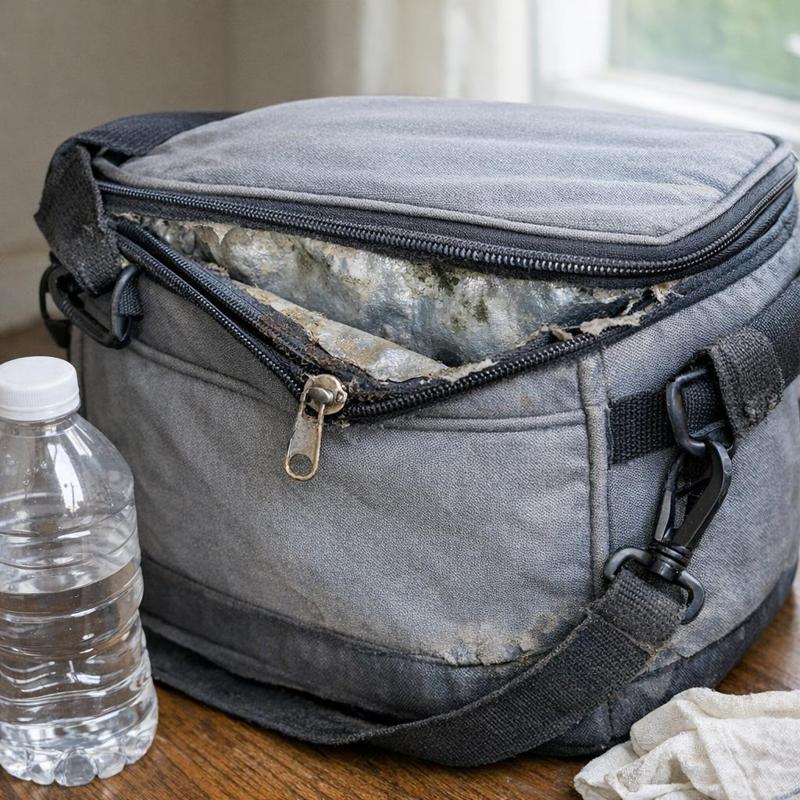
- Heat damage. A closed car in summer can reach extreme temperatures, which degrade many medical products faster than shelf life suggests.
- Depleted stock. Supplies get borrowed for small incidents and never replaced.
- Poor access. A kit buried under luggage is functionally absent when you need it quickly.
- Disorganized contents. A tangle of loose items makes it hard to find the right one while stressed.
Each of these has a practical fix, covered in the sections below.
3. Core Medical Supplies Every Kit Should Contain
A well-built kit covers wound care, injury support, and basic tools.
Wound care. Adhesive bandages in several sizes, sterile gauze pads, and medical tape handle most cuts and abrasions. Include antiseptic wipes to clean skin before dressing, and an antibiotic ointment for minor wounds.
Bleeding control. Larger sterile dressings and a roll of conforming gauze help manage heavier bleeding. Disposable gloves protect both you and the injured person and should be in every kit.
Injury support. An elastic bandage supports sprains and strains. A triangular bandage can serve as a sling or secure a dressing. A cold pack, usually the instant type activated by squeezing, reduces swelling after a knock or twist.
Tools. Blunt-tip scissors cut tape and clothing, and tweezers remove splinters or small debris. A small flashlight is valuable at night, and a CPR face shield adds a layer of protection if rescue breathing is ever needed.
Comfort and minor ailments. Burn gel or dressings, sting relief wipes, and eyewash help with common roadside irritations. Personal medications, such as those for allergies or chronic conditions, should be added by the driver rather than assumed to be included.
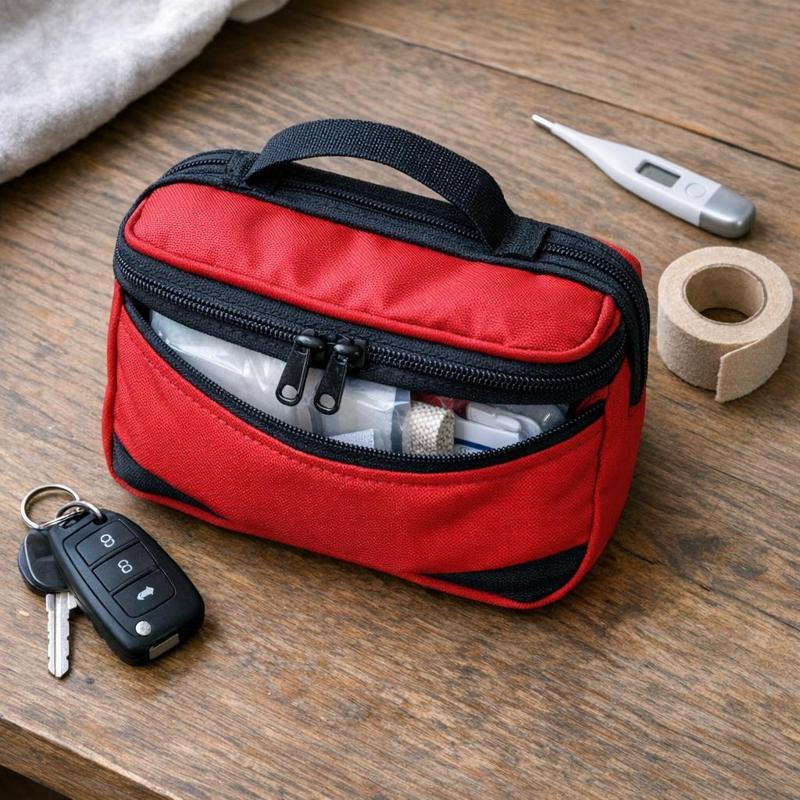
If you would rather start from a complete set than assemble each piece, the first aid kits designed for cars and road trips bundle many of these items in a compact case, and you can then adapt the contents to your household.
4. Organization: Making Supplies Findable Under Stress
In an emergency, speed and clarity matter more than completeness.
Start by choosing a case with a bright, recognizable color and a sturdy handle or strap.
Group supplies by purpose rather than by size. A useful arrangement looks like this:
- Top layer: gloves, gauze, tape, and the most frequently used bandages.
- Middle layer: antiseptic wipes, ointments, burn and sting relief.
- Bottom layer: larger dressings, triangular bandage, cold pack, and tools.
Small zip bags with simple labels, such as bleeding, burns, or sprains, add another level of order.
5. Where to Store the Kit in Your Vehicle
Accessibility and temperature are the two deciding factors.
The trunk is common, but a loose kit slides around and can end up under heavy cargo. Securing it in a dedicated spot solves both issues. A trunk organizer with room for emergency gear keeps the kit upright, visible, and separate from groceries and luggage. Cargo nets or straps can add further security on bumpy roads.
For households with young children, consider whether a second small kit within reach of the front seats makes sense, holding only bandages, wipes, and gloves for quick fixes.
If summer heat is a concern, avoid storing the kit on the rear shelf or dashboard.
6. Building Out the Wider Emergency Car Supplies Set
A first aid kit is one part of broader emergency car supplies.
Tire trouble is among the most frequent causes of roadside stops. Checking pressure regularly reduces the chance of a blowout or slow leak, and a mini tire pressure gauge small enough to live in the glove box makes that check quick and routine.
Beyond that, consider including:
- A reflective warning triangle or flares to alert approaching traffic.
- A high-visibility vest for anyone leaving the vehicle.
- Jumper cables or a portable jump starter.
- A flashlight with spare batteries, in addition to the one in the medical kit.
- Bottled water and non-perishable snacks.
- A blanket for cold weather and a charged power bank.
Blind spots add another layer of risk when you are pulling over or merging back into traffic. Adding blind spot mirrors expands your field of view and can help you rejoin the road more safely after a stop.
Keeping all of this in one place matters.
7. A Simple Update Routine That Keeps the Kit Reliable
A kit only protects you if its contents are current.
Twice a year. Pair the inspection with seasonal changes, such as the start of summer and the start of winter. Open the kit, lay everything out, and check each item against your contents list.
What to check. Look at expiry dates on wipes, ointments, medications, and cold packs. Test the flashlight and replace its batteries. Confirm that sealed packaging is intact and that nothing has melted, leaked, or degraded in the heat.
After any use. Replace what you used as soon as possible, ideally that same week. Add a note on your phone or a sticky reminder inside the lid.
When circumstances change. A new baby, an older passenger, a pet, or a long trip into remote areas all justify adjusting the contents. Update emergency contacts and medical notes whenever they change.
A one-page checklist stored inside the kit speeds up the whole process.
8. Summary and Final Checklist
A dependable car first aid kit rests on four habits: choose the right contents, organize them clearly, store them where you can reach them, and review them on a regular schedule.
- Include wound care, bleeding control, injury support, tools, and personal medications.
- Use compartments and labels so supplies can be found in seconds.
- Store the kit in a secure, accessible, temperature-aware location.
- Pair it with basic roadside gear for a complete emergency set.
- Inspect twice a year and restock promptly after any use.
If you are ready to build or refresh your own setup, you can browse practical options for kits, storage, and safety accessories at DriveLab. A few minutes of preparation now can make a stressful moment on the road far more manageable.